Unravelling Health and Daily Living in People with Post-COVID Condition

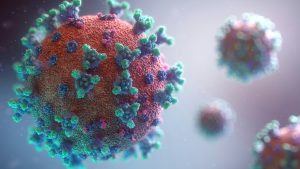
From late 2019 to 2023, the COVID-19 virus swept across the globe, marking the first major pandemic since the 1918 influenza outbreak. Now, years after the initial wave, many who contracted the virus still experience multiple persistent symptoms such as confusion, fatigue, chest tightness, increased heart rate and irritability.
The World Health Organization (WHO) defines persistent symptoms lasting at least two months and beginning within three months after infection without any other identifiable cause, as a post COVID-19 condition (PCC). While some studies suggest the negative impact of PCC on a person’s health and activities of daily living (ADL) is comparable to chronic conditions, the true burden of PCC in the general population remains poorly reported.
Essential Insights
In this longitudinal, open cohort study, adults who had tested for SARS-CoV-2 at the Public Health Service South Limburg, Netherlands, between 1 June and 1 November 2021 were invited to participate. Participants were grouped by test results and PCC status. Of 8409 participants who tested positive, 2513 met the criteria for PCC based on the WHO definition or five alternative symptom-based criteria. Those who tested negative (n=2028) were used as controls.
The grouping allowed researchers to compare health outcomes and ADLs across different subgroups using three main outcome measures: Health Assessment (EQ5D Index), Current Perceived Health (EQVAS), and ADL impairment due to health.
The Key Results
Individuals with PCC experienced significantly higher impairments in ADLs and worse overall health compared to those who tested positive for COVID-19 without PCC, and those who tested negative. On average, PCC led to a 16.7% higher ADL impairment, and these participants had consistently lower health scores on the EQVAS and the EQ5D index compared to those without PCC.
The findings were consistent across the six definitions of PCC— with those who reported not feeling recovered experiencing the worst health outcomes and ADL impairments. Overall, the study indicates that PCC significantly affects health (p<0.001) and daily functioning (p<0.001), with these effects persisting regardless of pre-existing conditions or the time since COVID-19 infection.
Not so fast
These results may be limited by several factors. First, misclassification bias likely occurred due to limited testing availability early in the pandemic, meaning that some individuals in the negative group may have had undiagnosed or asymptomatic SARS-CoV-2 infections.
Additionally, the study relied solely on self-reported data, and did not incorporate clinician reports or information regarding medical history. Because the WHO definition of PCC requires that signs and symptoms be unexplained by other diagnoses, the missing information may have provided relevant information regarding comorbidities, potentially accounting for other diagnoses.
Why does it matter?
It has been estimated that up to 20% of those who contract SARS-CoV-2 will go on to develop PCC. In fact, more than 17 million individuals experienced these symptoms at the beginning of the pandemic. Recognising how PCC can impair functioning and everyday life is crucial for improving and preparing healthcare systems for the long-term care needs of those affected. Moreover, this knowledge will guide the development of targeted therapies and rehabilitation strategies, adding another crucial piece to the puzzle for aiding individuals with PCC regain their autonomy and health.
Take home messages
1. Post COVID-19 condition (PCC) leads to significant decline in health and daily functioning (p<0.001 respectively). This result was consistent across several of PCC.
2. It is still unclear whether PCC is its own distinct condition or whether it mirrors illnesses such as chronic fatigue syndrome.
3. Better understanding the effects of PCC will aid healthcare professionals develop more effective evidence-based treatment interventions for patients.
Guest author: Alice Jayne Greenan, BSc (Hons), MSc.
Reviewer: Barbara Fahmy, MS OTR, MPA
This article was written as part of a series of ‘journal club’ summaries for Scientific Writers Ltd and is based on the following publication.
First Author: Van Herck M, et al.
Journal: Thorax
Date online: 18/March/2024
Other references:
1. Quinn KL, Katz GM, Bobos P, et al. Understanding the post COVID-19 condition (long COVID) in adults and the expected burden for Ontario. Science Briefs of the Ontario COVID-19 Science Advisory Table. 2022;3(65).
2. World Health Organization [WHO]. Post COVID-19 condition (Long COVID). https://www.who.int/europe/news-room/fact-sheets/item/post-COVID-19-condition. Published 7 December 2022. Accessed 6 November 2024.