Even A Light Workout or Walk Can Power the Brain and Boost Memory

It has long been known in the field of neuroscience that physical exercise is positively correlated with the ability to form new memories. Some lingering questions do however remain on this topic. For example, how does exercise intensity scale with novel memory formation? What exactly is the circuitry behind translating physical activity into enhanced memory? Would light exercise (as opposed to vigorous exercise) yield positive effects in the formation of new memories?
Decades of previous research has supported the value of moderate to vigorous exercise for memory enhancement and learning skills. If the benefits of light exercise are determined to be equivalent to exercise of greater intensity, it may prove helpful to patients who have physical limitations. Perhaps the greatest gains would be to the aged population, especially those living with memory defects such as Alzheimer’s disease (AD) or other dementias.
Investigating the crucial components of memory formation
Recent research from Japan helps to shed light upon this neurophysical phenomenon and the potential advantages of light exercise. Hiraga et al used a rat treadmill running model to assess the neuronal activity of various brain regions. They also measured the concentration of memory-associated neurotransmitters surrounding the dorsal hippocampus brain cells.
Intensity of exercise was determined based on blood lactate production. Vigorous exercise places individuals over the lactate threshold and is associated with stress induction. Light intensity exercise, however, does not extend past the lactate threshold.
Analyses were performed while rats underwent varying intensities of treadmill activity. Measurements were also taken after activity completion. The neurotransmitters measured in this study were noradrenaline, dopamine and serotonin (all of which are monoamines).
The role of the dorsal hippocampus and hypothalamus in neuroplasticity
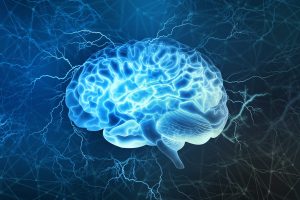
Deep in the brain, hidden within the temporal lobe, lies the hippocampus. This small region of the brain is central in the formation and consolidation of memory formation. The hippocampus has strong neural connections to the amygdala, which is responsible for emotional processing. Signals moving through these connections allow individuals to react to situations based on past experiences. Highly charged experiences will induce stronger signals. It is for this reason that periods of great fear or excitement are clearly recalled. In contrast, more mundane moments may be forgotten.
The hypothalamus also has strong neural connections to the hippocampus. This region of the brain is the initiator of internal emotional responses. It is due to these connections that a person may feel joy when thinking back to a happy experience or why remembering a traumatic experience may instil a stress response.
Neuroplasticity refers to the brain’s ability to reorganise neural connections, allowing for adaptation and a higher functioning state. Exercise induced stimulation of the dorsal hippocampus is thought to boost neuroplasticity by stimulating the genetic translation and production of various proteins involved in brain remodelling. Exercise also increases cerebral blood flow, facilitating the entry of external exerkines (signalling molecules released in response to exercise). These external signals further amplify the neural reorganisation process by stimulating the growth of new neurons and strengthening existing synapses.
The findings
The investigators determined that even light exercise stimulates dorsal hippocampal neuronal activity and increases extracellular levels of noradrenaline and dopamine. Neurons associated with serotonin production were not stimulated, and extracellular levels of this chemical were not increased.
In addition to the dorsal hippocampal activation, the researchers also found that, with light exercise, other noradrenaline and dopamine associated brain regions (locus coeruleus and ventral tegmental area) displayed greater neuronal activation.
What it means
Hiraga et al used a rat exercise model to demonstrate increased activation of the dorsal hippocampus in response to light treadmill running. These results strongly suggest that neuroplasticity is occurring, potentially leading to stronger memory formation. The only sub-region of the dorsal hippocampus that was not stimulated was the CA2 domain. This domain is associated with social memory and stimulated by novelty, especially novel social encounters. The researchers theorised that since the rats had become accustomed to both the treadmill and their fellow lab rats, there was no reason for this region to be activated.
Increased neuronal activation also occurred across all regions of the ventral hippocampus. Some commonly touted benefits of exercise are anxiety reduction and anti-depressant effects, which are related to the ventral hippocampus. Activity in these regions is also likely to boost memory formation through the ventral-dorsal axis.
The correlation between activation of the locus coeruleus and ventral tegmental area, and the dorsal hippocampus implies that the noradrenaline and dopamine produced in these regions contribute to enhanced neuroplasticity.
Increased extracellular noradrenaline and dopamine following even light exercise suggests that these neurotransmitters, upon binding to their receptors, contribute to dorsal hippocampal activation and subsequently the related benefits of memory formation.
Not so fast
While the correlation between locus coeruleus and ventral tegmental area neurons and dorsal hippocampal activity is promising, this connection was not investigated. The researchers suggest that future studies involving viral-tracing, and chemogenetic/optogenetic techniques may help to elucidate this possible pathway.
Another limitation of this study is that only male rats were used. This condition was chosen to eliminate any potential oestrous cycle or sex-based differences in running performance and associated brain activity. Further studies involving female rats will be needed to explore these potential differences, and to develop a more complete understanding of this topic.
Why Does It Matter?
While vigorous exercise certainly comes with a whole host of benefits, performing this sort of activity is not always possible for many members of society. For people with limited exercise options, such as the elderly or those with physical limitations, it seems unfair and short-sighted to exclude them from the many benefits associated with physical activity.
This study suggests that even light workouts would provide brain adaptations necessary for a greater memory. The light exercise performed by rats could correlate with something as simple as a short walk for humans. Knowledge gained from this research would be immensely helpful to clinicians in designing individually tailored treatment plans for their patients.
Take Home Messages
- Exercise induces brain activity, which results in memory formation.
- Exercise intensity does not need to be vigorous or moderate. Even light intensity exercise is sufficient to boost memory.
- Performing light intensity exercise is a potential method of reducing memory loss in patients with a variety of conditions, including AD and other dementias.
Guest author: Stephen Gargan, PhD
Reviewer: Barbara Fahmy, MS OTR, MPA
This article was written as part of a series of ‘journal club’ summaries for Scientific Writers Ltd and is based on the following publication:
First Author: Hiraga Taichi, et al.
Journal: FASEB Journal
Date online: 12 December 2024
Other references:
Richter-Levin G, Akirav I. Amygdala-hippocampus dynamic interaction in relation to memory. Mol Neurobiol. 2000;22(1-3):11-20. doi: 10.1385/MN:22:1-3:011
Sherman BE, et al. Hippocampal Mechanisms Support Cortisol-Induced Memory Enhancements. J Neurosci. 2023;43(43):7198-7212. doi: 10.1523/JNEUROSCI.0916-23.2023