The use of a new generative machine learning model to uncover genetic markers of autism
Autism is a complex condition caused by a combination of genetic and environmental factors. Difficulties in social interaction, communication, and repetitive behaviours characterise the condition, and currently, diagnosis and treatment are based on these behavioural signs.
However, autism is mainly influenced by genetic differences with recent heritability estimates of up to 90%. Despite this knowledge, less than half of patients undergo genetic testing. For this reason, the study of these genetic variations needs to be prioritised to help better categorise patients, understand the disorder’s origins, and develop targeted therapies.
The study
In a study published in Science Advances, researchers tested a new generative machine learning technique called three-dimensional (3D) transport-based morphometry (TBM). The method is used to uncover brain structure patterns that predict variations in areas of an individual’s genetic make-up, known as copy number variations (CNVs), where segments of a person’s DNA are deleted or duplicated.
Many genes identified as being linked to autism also incorporate CNVs. One CNV of interest is located at a specific region of chromosome 16p11.2, one of the most prevalent single genetic contributors to autism and the focus of this research.
A total of 206 participants were enrolled for the study and separated into deletion carrier (N=48), duplication carrier (N=40), and control (N=118) groups for comparison. The authors used 3D TBM to transform high-resolution structural brain images into transport maps, visualising physical brain tissue changes and grey and white brain matter patterns sensitive to the 16p11.2 CNV.
The findings
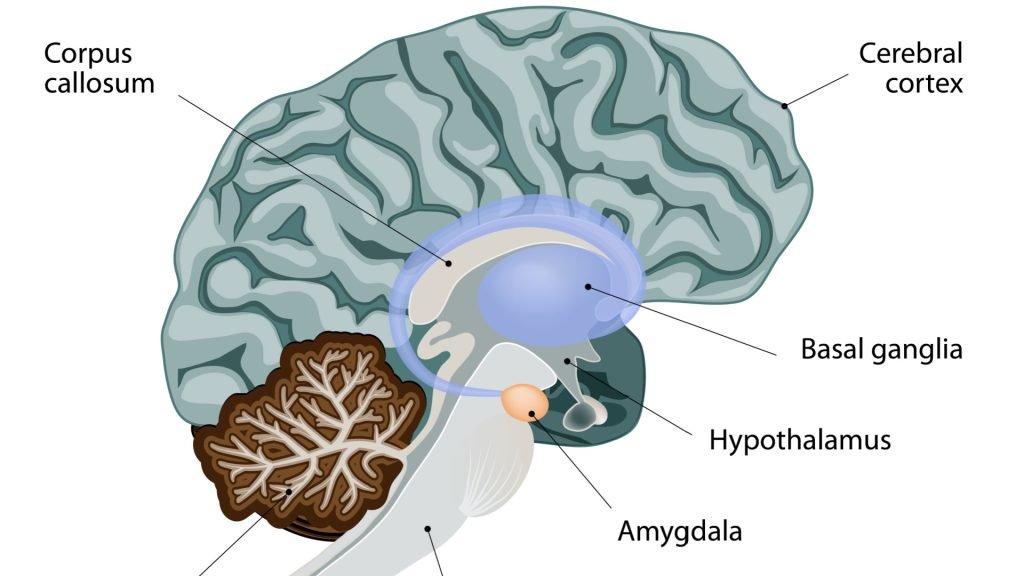
The study reveals that white matter structural variations can predict 16p11.2 CNV with 94.6% accuracy, while grey matter changes predict CNV with 88.5% accuracy. In addition, brain images generated by 3D TBM show that deletion causes considerable overgrowth of grey matter compared to the control group. At the same time, duplication leads to a marked undergrowth of grey matter.
The research also examines the relationship between structural changes in the brain linked to 16p11.2 CNV and behaviour. Individuals’ behaviour was measured as problems producing specific speech sounds, articulation disorders, and intelligence quotient (IQ).
The study shows that articulation disorders were much more common among deletion carriers than duplication carriers. The brain structural patterns discovered by 3D TBM also explain a fraction of the variability in IQ.
Not so fast
The study has several limitations. There is ascertainment bias as study participants recruited from clinics and medical centres may have attended those clinics for reasons other than possessing a genetic CNV.
The study investigated a single gene without assessing its interaction with other genes. The results alone cannot determine a connection between genes linked to autism with structural brain changes and behaviour, although they may be studied further using in vivo animal models.
Also, the investigation was carried out on a genetically stratified sample, so it may not be possible to separate the independent effect of brain structural variations on articulation disorder from the influence of CNV. Investigating a broader, non-genetically stratified autism population could provide valuable insights into this relationship.
Why does it matter?
Studies of this type will help advance our understanding of the biology behind autism. This study’s generative machine learning approach, 3D TBM, could help automatically screen brain images to detect CNVs early and refer patients for genetic testing. Additionally, TBM can be used to uncover brain endophenotypes that could facilitate screening for autism and other neurodevelopmental disorders, accelerating precision medicine.
Take home messages
1. A genetics-first approach could enhance understanding and treatment of autism.
2. The 3D TBM generative machine learning model can accurately predict genetic variations associated with autism.
3. Identifying causal relationships between CNVs, structural brain variations, and subsequent behaviour could improve our understanding of human neurodiversity and advance personalised treatment for autism.
Guest author: Paul Jones, MSc
This article was written as part of a series of ‘journal club’ summaries for Scientific Writers Ltd and based on the following publication.
Title: Discovering the gene-brain-behavior link in autism via generative machine learning
First Author: Kundu S, et al.
Journal: Science Advances
Date online: 12 June 2024
Other references
https://neurosciencenews.com/neuroimaging-asd-markers-27593/