How far would you be willing to go to save your own life?
When faced with a life-threatening recurrence of breast cancer, a pioneering scientist turned to her own research for a possible treatment.
The Situation
Dr. Beata Halassy is a virologist at the University of Zagreb, Croatia, and is known for her work in oncolytic virotherapy (OVT), the use of viruses to target and destroy cancer cells. Dr Halassy discovered in 2020 that she had a recurrence of triple-negative breast cancer at the site of a previous mastectomy, having already experienced two recurrences. These recurrences, even after previous surgeries and treatments, sadly suggest that conventional approaches had not been fully effective. In Dr. Halassy’s case, she decided to do something incredibly brave and controversial.
Breaking it down
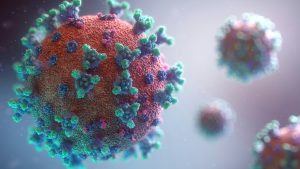
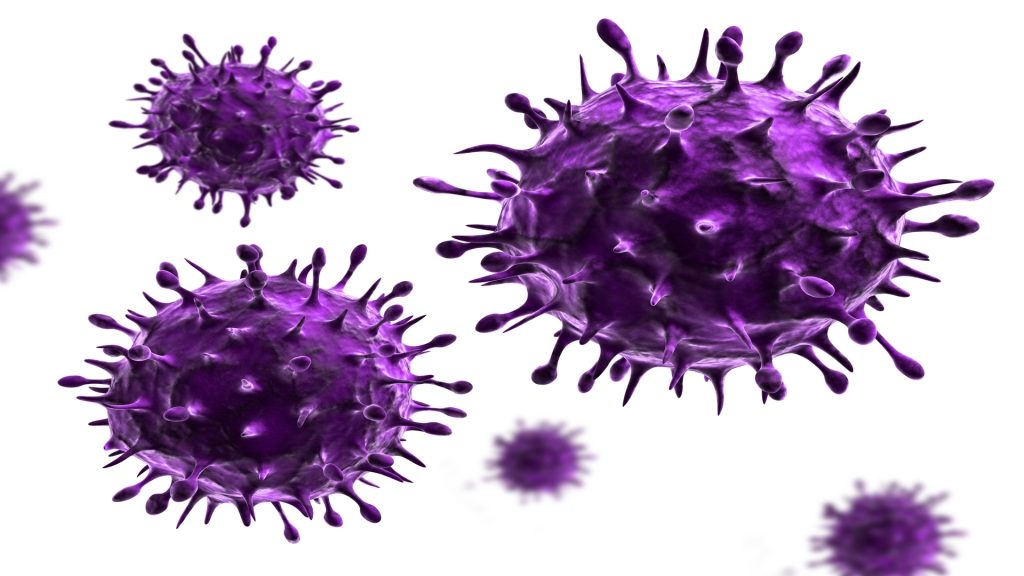
OVT is based on the hypothesis that certain viruses can selectively infect and kill cancer cells while sparing normal, healthy cells. Oncolytic viruses are engineered to preferentially replicate in cancer cells, exploiting their unique metabolic or genetic profile or the presence of a specific surface receptor.
Cancer cells often develop mechanisms to hide in the body and evade the immune system. To fight these mechanisms, OVT initiates the release of tumour antigens, inducing an inflammatory response and activating a broader immune response against the tumour. In Dr Halassy’s case, she opted to use of two different oncolytic viruses, the Edmonston-Zagreb measles virus (MeV) and the vesicular stomatitis virus Indiana strain (VSV), administered intratumourally.
The viruses used were research-grade preparations, and were prepared in the patient’s laboratory (as opposed to clinical-grade preparations that have more stringent criteria for use in patient care). These preparations were in the form of clarified cell culture supernatants, devoid of extensive purification from host-cell nucleic acids and proteins.
The results are in
Dr Halassy received seven intratumoural injections of MeV over a period of three weeks, with injections given at three-to-four-day intervals. Following the MeV injections, she received three intratumoural injections of VSV, separated by two and one week, respectively.
The tumour significantly reduced in size from 2.47±0.06 cm³ to 0.91 cm³ over the two-month treatment period. Additionally, the tumour transformed from a hard, fixed nodule with skin infiltration to a softer, mobile nodule without skin inflammation. Histopathological analysis of the excised tumour showed strong lymphocytic infiltration, with increases in CD20-positive B cells (from 10% to 70%), CD8-positive T cells (from 30% to 60%), and macrophages.
Not so fast
Although promising, this pioneering study is fraught with several limitations and challenges that temper its generalisability and clinical applicability to patient care. Chief among these limitations is the reliance on a single patient with a specific expertise and access to laboratory resources. The use of sequential virus administration to avoid immune evasion adds complexity to the treatment protocol.
Significant hurdles will also include rigorous clinical trials to validate the findings and achieve a successful transition from research-grade to clinical-grade preparations. While generally well-tolerated, OVT can cause side effects such as transient tumour swelling, fever, and rigors, particularly after the administration of certain viruses such as VSV.
Why does it matter?
OVT represents a promising approach to cancer treatment by leveraging the selective replication of viruses in cancer cells and exploiting their ability to stimulate a robust immune response. The case study of Dr. Halassy highlights the use of a sequential administration strategy, where MeV was followed by VSV.
This approach was designed to avoid the development of antiviral immunity that could suppress the viral cytolytic action. By switching to a different virus, the treatment maintained high virus concentrations in the tumour, enhancing the direct antitumour effect and immune stimulation. This type of treatment intervention could make a definitive difference in cancer survival rates, especially when conventional treatments have not been fully successful.
Take home messages
1. Dr. Beata Halassy used oncolytic virotherapy (OVT) to treat her breast cancer that had recurred.
2. The tumour significantly reduced in size, texture and level of cell infiltration, from 2.47±0.06 cm³ to 0.91 cm³ over the two-month treatment period.
3. Dr. Halassy’s bold use of her own research to treat her breast cancer demonstrates the transformative potential of OVT.
Guest author: Laura K. Urbina Jara, PhD.
Reviewers: Barbara Fahmy, MS OTR, MPA; Allison Kirsop, PhD
This article was written as part of a series of ‘journal club’ summaries for Scientific Writers Ltd. and is based on the following publication.
First Author:Yang J., et al.
Journal: Journal of Magnetic Resonance Imaging
Date online: 09 April 2025