The KarMMa-3 study: CAR T cell therapy as personalised cancer immunotherapy for treatment-resistant multiple myeloma
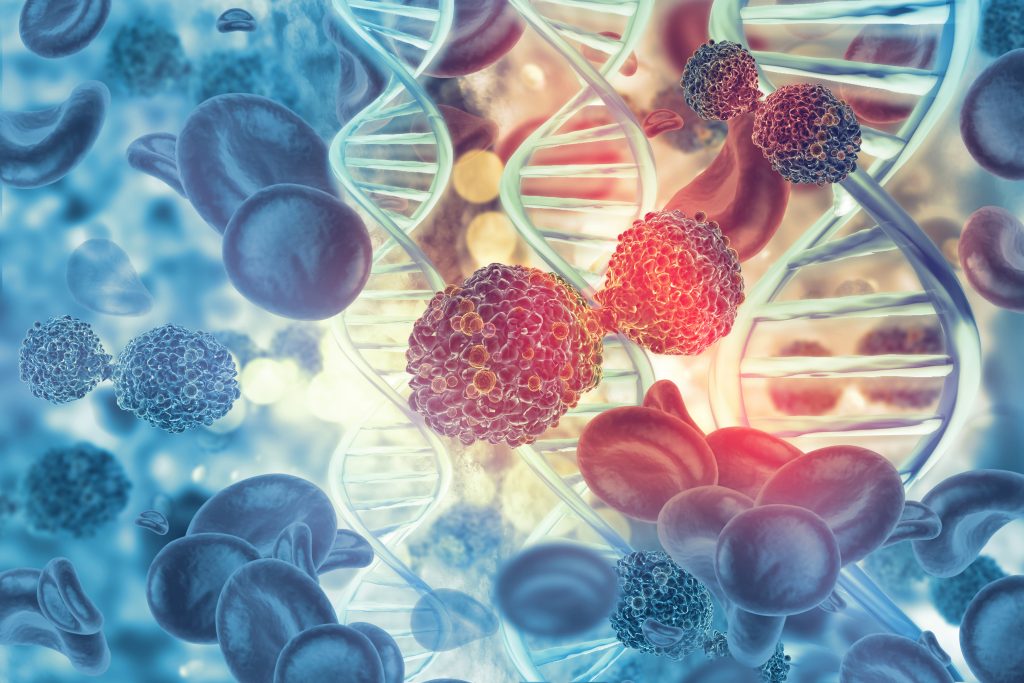
Chimeric Antigen Receptor (CAR) T cell therapy is a treatment that uses a patient’s immune system to fight cancer. In CAR T cell therapy, a patient’s white blood cells (T cells) are collected and modified to express a CAR receptor on their surface. The CAR receptor is designed to attach to specific proteins on the cancer cells, allowing the T cells to recognise and destroy the cancer.
In multiple myeloma, malignant plasma cells produce abnormal antibodies called myeloma proteins (M proteins), which can cause bone and kidney problems and low blood cell counts.
Several treatments already exist for multiple myeloma, but cancer cells can become resistant to these therapies, a condition called relapsed/refractory multiple myeloma. Novel treatments like CAR T cell therapy can overcome treatment resistance and attack cancer cells through a different mechanism.
What is the KarMMa-3 study?
The KarMMa-3 study tests a specific CAR T cell therapy called idecabtagene vicleucel (ide-cel) in relapsed/refractory multiple myeloma. The study includes 386 patients who have already received 2–4 standard treatments and have had their disease return. Ide-cel is being compared to one of five standard treatments for multiple myeloma. The study is estimated to end in 2027, and some important interim results were published in 2023. This summary describes those preliminary results.
The main objective of the KarMMa-3 study is to measure progression-free survival (PFS). PFS is defined as the total time since starting the study that a patient has lived with the cancer, but it has not gotten worse. In this study, patients taking ide-cel lived significantly longer without their cancer worsening (PFS 13.3 months vs 4.4 months for the control group).
What else did the study look at?
Ide-cel also achieved better results than standard treatments in other outcome measures. The response rate (the percentage of patients whose cancer responded at least partially to treatment) with ide-cel was 71% compared to 42% with standard therapies. Complete response (the percentage of patients with no detectable cancer after treatment) with ide-cel was 39% compared to 5% with standard therapies. The ide-cel group also had longer responses, with a median duration of response of 14.8 months compared to 9.7 months in the standard treatment group.
Ide-cel is advantageous because it is given as a single infusion, while the other treatments used in this study require repeated dosing. The favourable data on PFS, response rate, complete response rate, and duration of response show that ide-cel performs better than standard treatments in relapsed/refractory multiple myeloma patients, particularly important for patients with limited treatment options.
Not so fast
Ide-cel demonstrated impressive efficacy in terms of PFS and response rate. Still, it is also associated with toxicities, including cytokine release syndrome, neurotoxicity, and higher rates of abnormal blood counts.
Because the study is ongoing, overall survival data were not available at the time of the publication. These data will be important for assessing ide-cel’s potential to extend life expectancy in this group of patients.
The study also did not address the cost of treatment with ide-cel, which is significantly more expensive than standard treatments because it needs to be custom-made for each patient. Finally, the study’s design, which allowed investigators to choose among five different standard treatments, may complicate the interpretation of the results.
Why does it matter?
The results of the KarMMa-3 study validate CAR T cell therapy in a specific, treatment-resistant blood cancer. While toxicities like cytokine release syndrome and abnormal blood test results require careful management, the interim outcomes show that ide-cel provides a clinically meaningful benefit in this challenging disease. Before the publication, ide-cel was approved for the treatment of relapsed/refractory multiple myeloma by the FDA after four prior treatments, and by the EMA after three prior treatments. This study contributed to recent updates by the FDA and EMA to allow ide-cel treatment in patients after two prior treatments.
Take home messages
1. The CAR T cell therapy ide-cel was superior to standard regimens based on specific key measures of disease response in multiple myeloma patients for whom other treatments had stopped working.
2. Treatment with ide-cel carries risks and often causes serious side effects like cytokine release syndrome.
3. CAR-T cell therapies show great potential as personalised cancer treatments, but more progress is needed before they become widely used.
Guest author: Blaine Bisel, PhD
This article was written as part of a series of ‘journal club’ summaries for Scientific Writers Ltd and is based on the following publication:
Title: Ide-cel or Standard Regimens in Relapsed and Refractory Multiple Myeloma.
First Author: Rodriguez-Otero P, et al.
Journal: The New England Journal of Medicine.
Date online: 10 February 2023
Other references
FDA Supplementary approval of ide-cel after 2 or more prior lines of therapy.
EMA update on the indication of ide-cel after 2 or more prior lines of therapy.