A review on the impact that diet has on the gut microbiome ecosystem, ultimately affecting health and disease treatment.
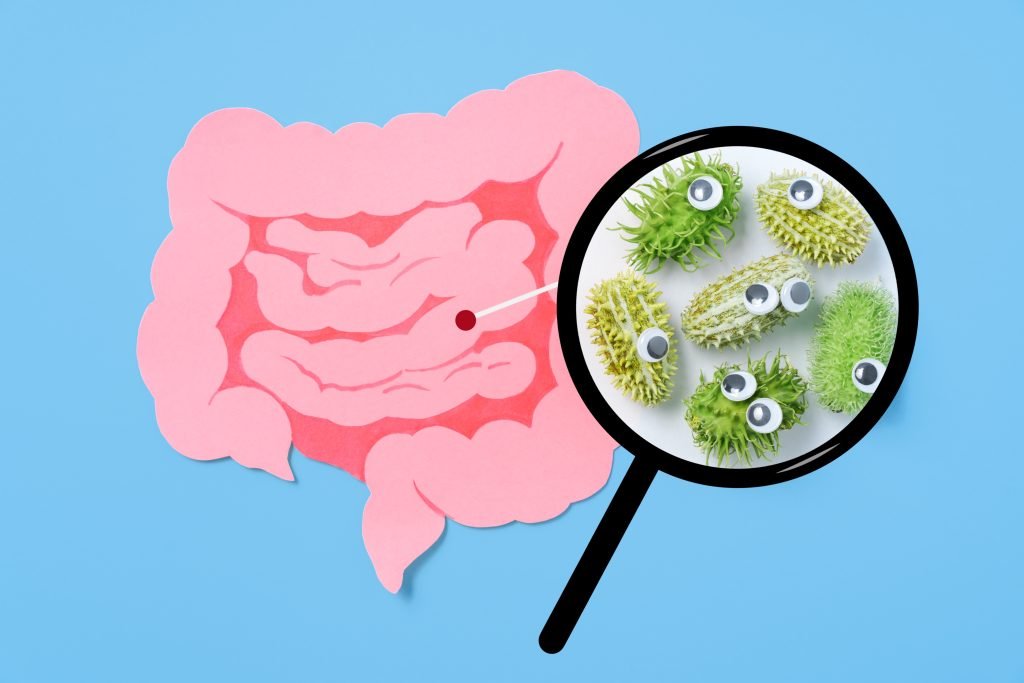
The human gut microbiome, composed of bacteria, fungi, viruses, and protozoa, constitutes an intricate and dynamic ecosystem. Diet plays a crucial role in the composition and function of this microbiome, affecting health and the onset of disease. Understanding how different diets influence the microbiome is essential for making informed dietary choices and preventing diet-related diseases.
Prior research has focused on the effects of the gut microbiome on health and disease, considering diverse factors such as ethnicity, geographical location, immigration, and, of course, diet. In this work, the authors synthesised the most recent study results and took a step forward into the future by emphasising the importance of an individualised diet. Despite advances in microbiome research, significant challenges remain in understanding the interactions between diet and the microbiome.
We are What We Eat
The article analysed six popular diets:
– Mediterranean diet (rich in fruits, vegetables, fish, and olive oil),
– High-fibre diet,
– Plant-based diet,
– High-protein diet,
– Ketogenic diet (very low in carbs),
– Typical Western diet (often high in processed foods, sugar, and unhealthy fats).
The researchers analysed the nutrient profiles of each diet, including alcohol intake. But most importantly, they studied how each diet affects the balance and diversity of gut bacteria, and the differences were striking.
People who followed fibre-rich, plant-based diets tended to have more diverse and healthier gut microbiota, including polyunsaturated fatty acids and polyphenols that can enhance resistance to obesity, reduce inflammation, and regulate the immune system. A diverse microbiome is linked with better digestion, stronger immunity, and a lower risk of chronic diseases, having a marked impact on human health.
Researchers also found that the composition of the gut microbiome varies considerably between populations from different regions of the world, influenced by both dietary patterns and environmental factors. They noted that people living in rural areas with diets rich in natural, unprocessed foods had greater microbial diversity compared to those in urban settings with Western-style eating habits.
Health and the Gut Microbiome
The review goes further, discussing how diet can influence diseases like metabolic syndrome, chronic intestinal inflammation, and even colorectal cancer. Some specific diets, especially the Mediterranean diet, have been shown to reduce the effects of conditions such as type 2 diabetes, heart disease, irritable bowel syndrome, cognitive decline and depression.
Currently, scientists are moving toward the concept of precision nutrition, which involves tailoring a person’s diet to their unique biology, lifestyle, and gut microbiome. The goal is to create personalised nutrition plans that help people stay healthier, starting from the inside out.
Not so Fast
Although fewer than 15% of the global population resides in Europe or North America, over 70% of human microbiome research originates from these regions. As a result, low-income countries and the diseases that disproportionately affect them, such as malnutrition, remain considerably underrepresented.
Gaining a clearer understanding of how diet impacts health requires large-scale randomised controlled trials that reflect a wide range of factors, including geography, sex, ethnicity, and age. Given the complex and highly individualised nature of the gut microbiome’s relationship with health, a more inclusive and holistic research approach is essential to uncover how diet, microbial composition, and disease susceptibility are connected.
Why Does it Matter?
This comprehensive review offers insight into six major dietary categories and the diverse gut microbiota ecosystems they can support. Beyond diet, numerous historical, environmental, and psychological factors also influence overall human health.
Although microbiome research has made considerable progress, many challenges remain in deciphering the causal relationships between diet, the host, and the microbiome. To ensure consistency and reproducibility across diverse datasets and populations, results must be validated through cross-platform comparisons and clinical outcome assessments.
Take Home Messages
1. Whole dietary regimes, such as the Mediterranean diet, plant-based diet, or Western diet, influence the composition of the gut microbiome.
2. Diet can have a positive effect on numerous diseases and conditions, such as type 2 diabetes, metabolic syndrome, heart disease, chronic intestinal inflammation and depression.
3. Exhaustive studies are needed to better understand the causal relationship between diet, host, and microorganisms for the development of precision nutrition and microbiome-based therapies.
1. Whole dietary regimes, such as the Mediterranean diet, plant-based diet, or Western diet, influence the composition of the gut microbiome.
2. Diet can have a positive effect on numerous diseases and conditions, such as type 2 diabetes, metabolic syndrome, heart disease, chronic intestinal inflammation and depression.
3. Exhaustive studies are needed to better understand the causal relationship between diet, host, and microorganisms for the development of precision nutrition and microbiome-based therapies.
Guest author: Lucía del Sol González-Forte, PhD
Reviewer: Barbara Fahmy, MS OTR, MPA
This article was written as part of a series of ‘journal club’ summaries for Scientific Writers Ltd and is based on the following publication.
Title: The interplay between diet and the gut microbiome: implications for health and disease
First Author: Ross F. C., et al.
Journal: Nature Reviews Microbiology
Date online: 15 July 2024